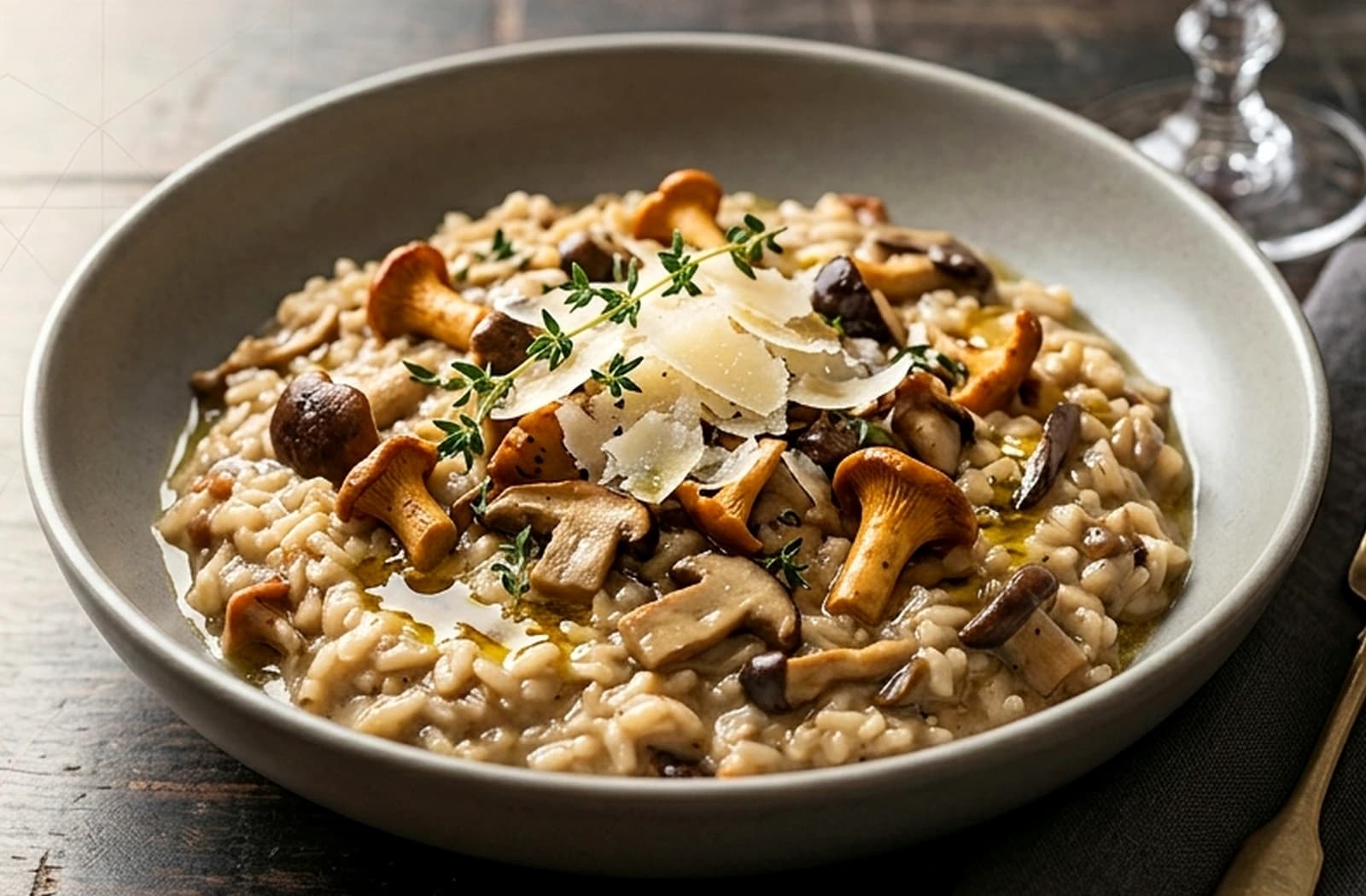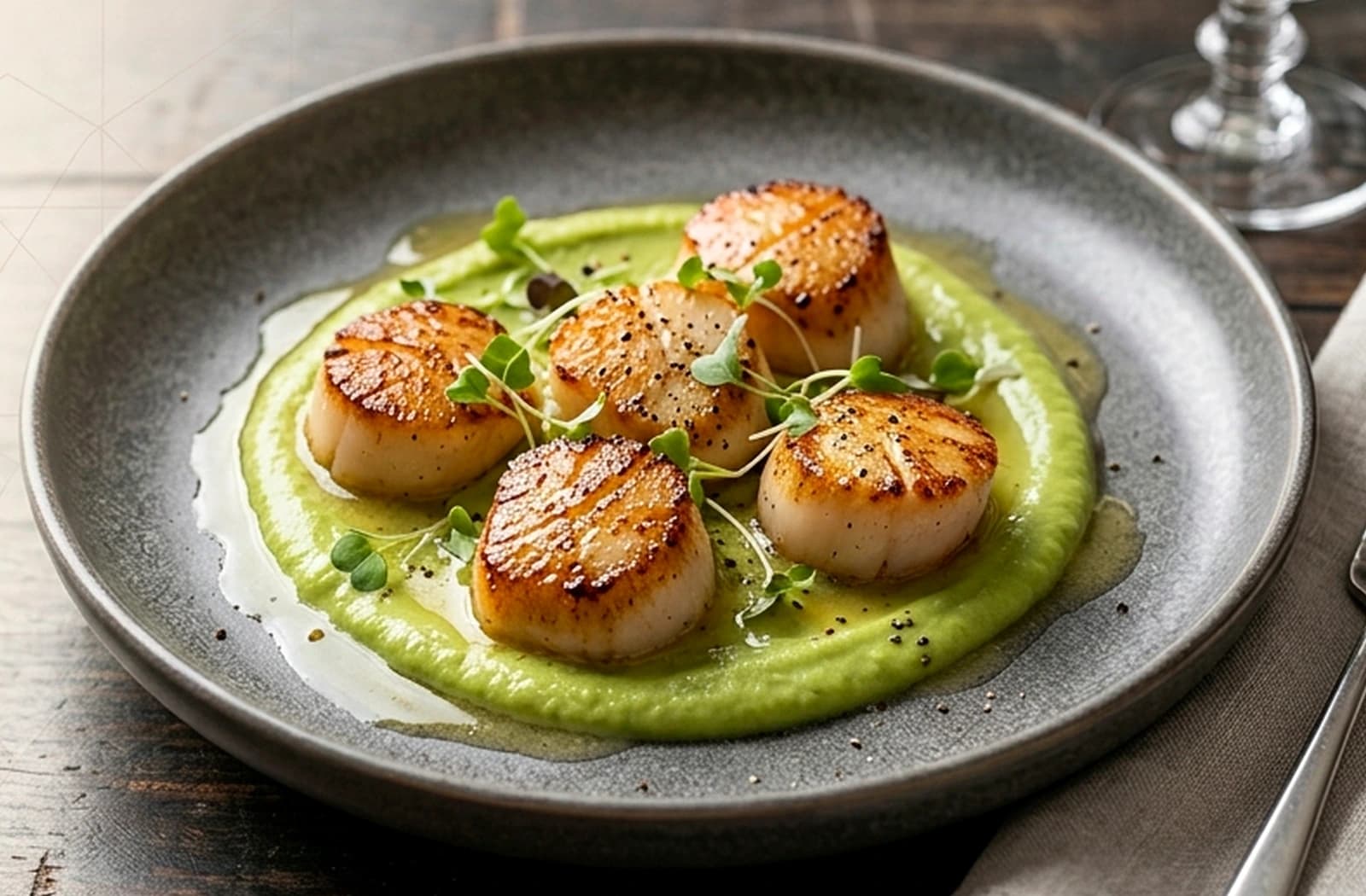
The best moment to simplify a recipe is when the ingredient has already done the hard work.
Ripeness changes the brief
A tomato in peak season does not need the same architecture as one that travelled early and ripened in storage. Taste first. If sweetness and acidity are already in balance, the recipe can become shorter instead of louder.
Texture is part of seasonality
Young peas, late peas and frozen peas can all be excellent, but they need different treatment. We write technique around what the ingredient is doing today: blanch time, blending temperature and the amount of fat all move with texture.
Value follows abundance
When an ingredient is genuinely abundant, it is often better and more economical at the same time. That is the moment to preserve, roast, freeze or ferment part of the crop so the menu can remember the season later without pretending it is still here.