Source before concept
Color, flavor and menu structure begin with what growers, markets and the coast can offer now.
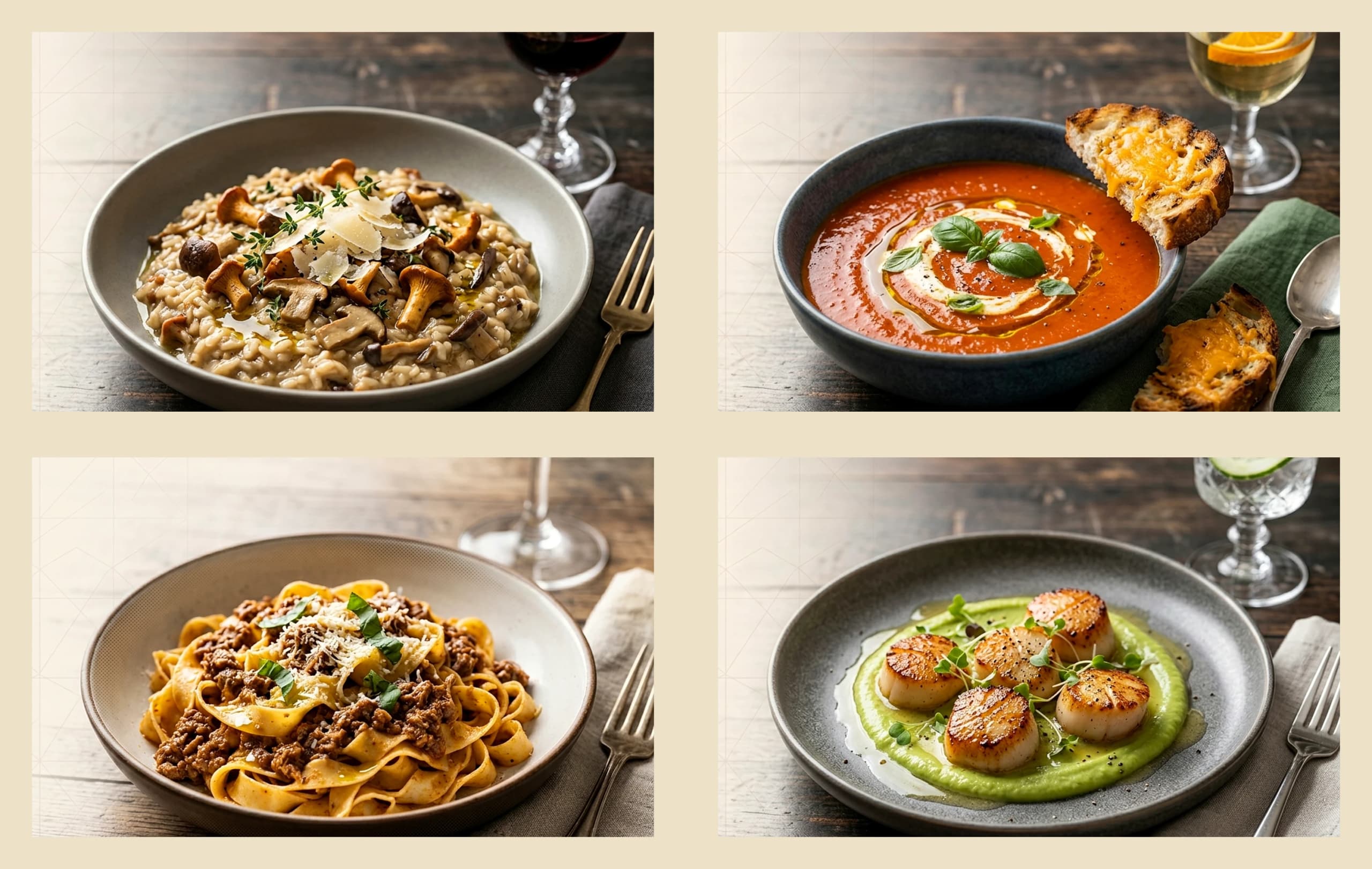
Terra Table began with a simple frustration: a beautiful meal can vanish in two hours. We wanted the sensory part to stay ephemeral, but the useful knowledge to remain accessible.
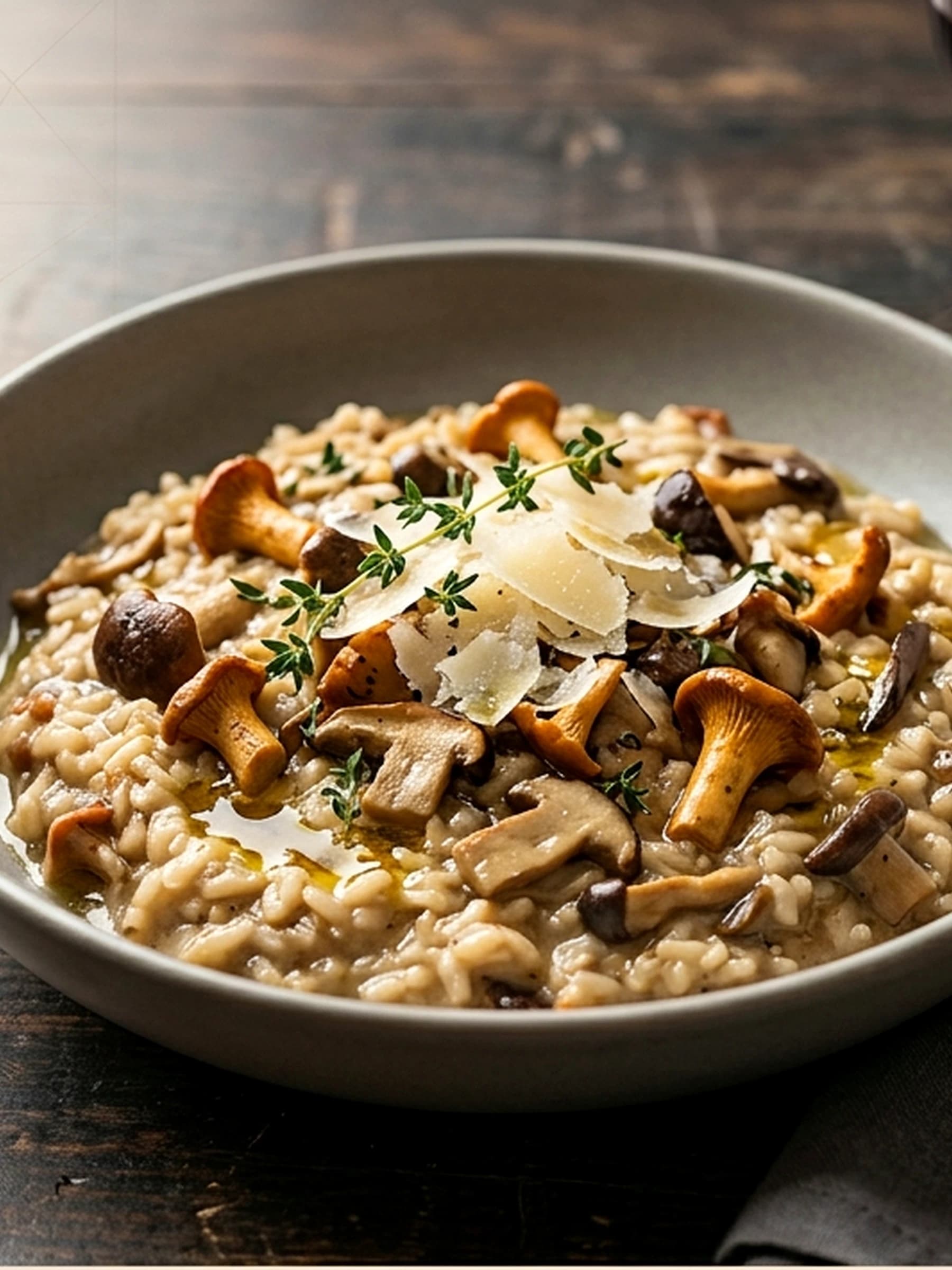
The premise
The kitchen cooks. The archive records. The dining room tests whether an idea is actually worth keeping.
Each five-week season begins with ingredients, not dishes. We taste what is at its peak, decide which techniques reveal it best, then build a compact menu. During service, the team annotates what changed. Those notes become the next edition of the recipe archive.
Color, flavor and menu structure begin with what growers, markets and the coast can offer now.
Processes can be precise without becoming precious. The guest should taste the reason for every move.
Trim becomes stock, skins become seasoning, yesterday’s bread becomes structure. Constraint creates flavor.
Recipes explain heat, texture, ratios and visual cues—the parts that make a method portable.
One season / four passes
The team tastes ingredients before menu planning and records ripeness, texture, acidity and aroma.
One ingredient gets one clear role. Sauces, garnishes and techniques are added only when they create contrast or clarity.
The dining room becomes feedback: pacing, temperature, portion and explanation are observed in real conditions.
The finished method is documented with ratios, substitutions, failure modes and visual cues for home cooks.
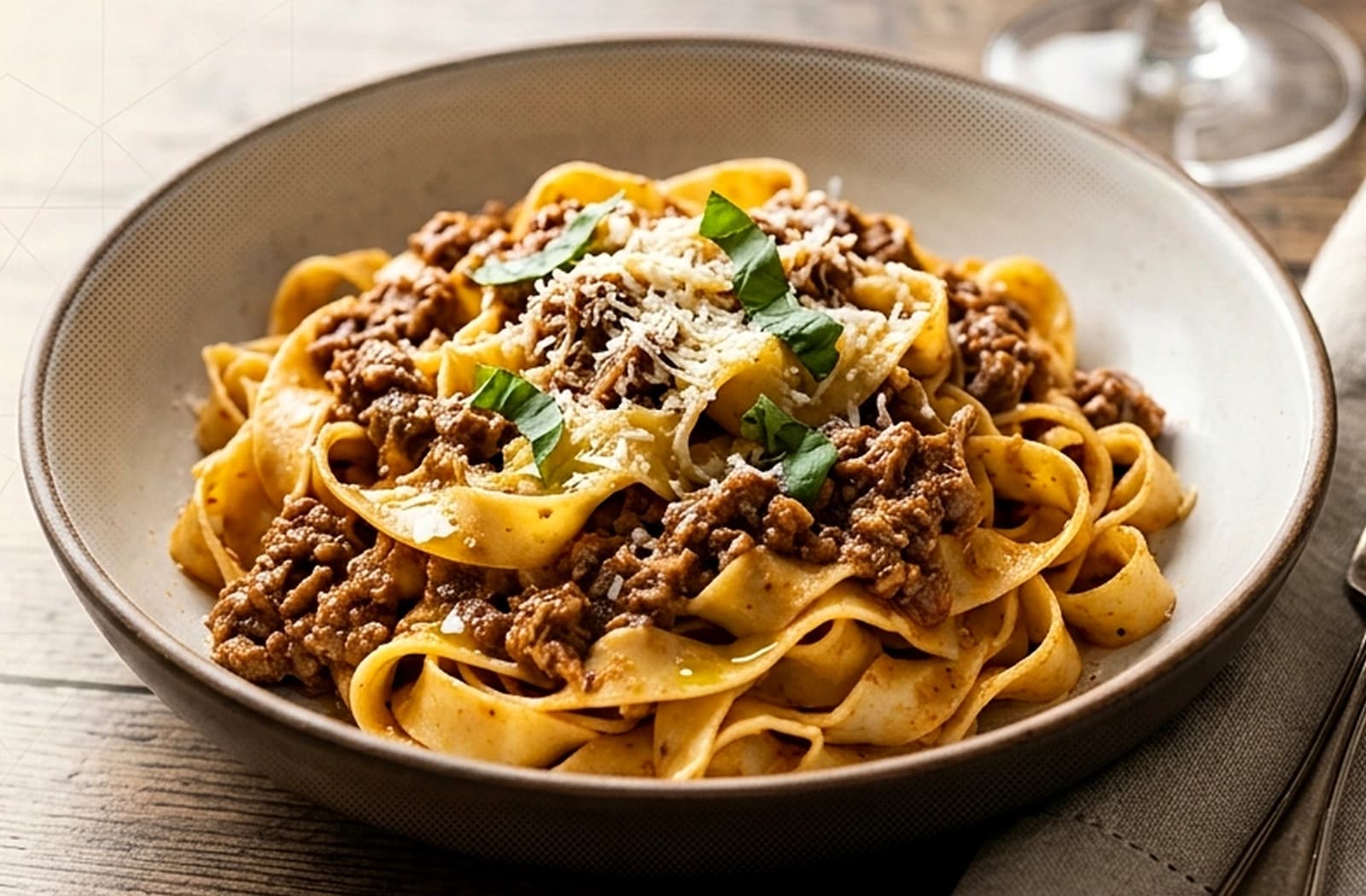
The member archive
Guests receive the notes from the menu they experienced. Members unlock the full seasonal archive, substitution maps and technique updates as dishes evolve.